Choosing a Refillable Water Brush Pen can change how watercolor feels in daily practice. Instead of reaching for a jar, you fill the barrel, close the cap, and begin. This small adjustment matters during travel, classroom exercises, and quick sketches outdoors. A refillable design also reduces disposable plastic waste, although the environmental benefit depends on durable construction and responsible cleaning.
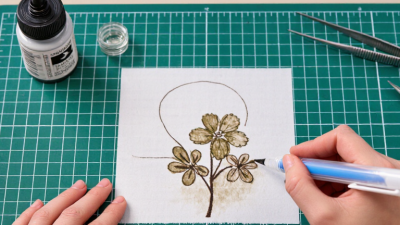
Watercolor artist and educator Jane LaFazio emphasizes, “A good tool should make the process easier, not become the process.” That idea fits the Refillable Water Brush Pen well. Its squeeze barrel controls water flow through the nylon or synthetic tip. Press gently for a pale wash. Press harder for a wetter stroke. The result is immediate and visible, especially when pigment gathers along a leaf edge or dries unevenly across textured paper.
The tool is not perfect. Some reservoirs leak, and some tips lose their point after heavy use. Beginners may also release too much water at first. Practice helps, but product quality matters. Look for a secure cap, a firm connection, and a tip that returns to shape after use. A transparent barrel can show remaining water, which prevents unpleasant surprises during a painting session.
This guide explores why artists choose refillable brush pens, how they compare with traditional brushes, and where their limitations appear. The strongest choice is not always the most expensive one. It is the pen that feels dependable in your hand.
What Is a Refillable Water Brush Pen?
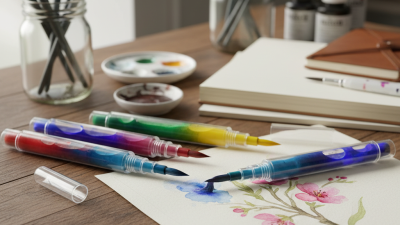
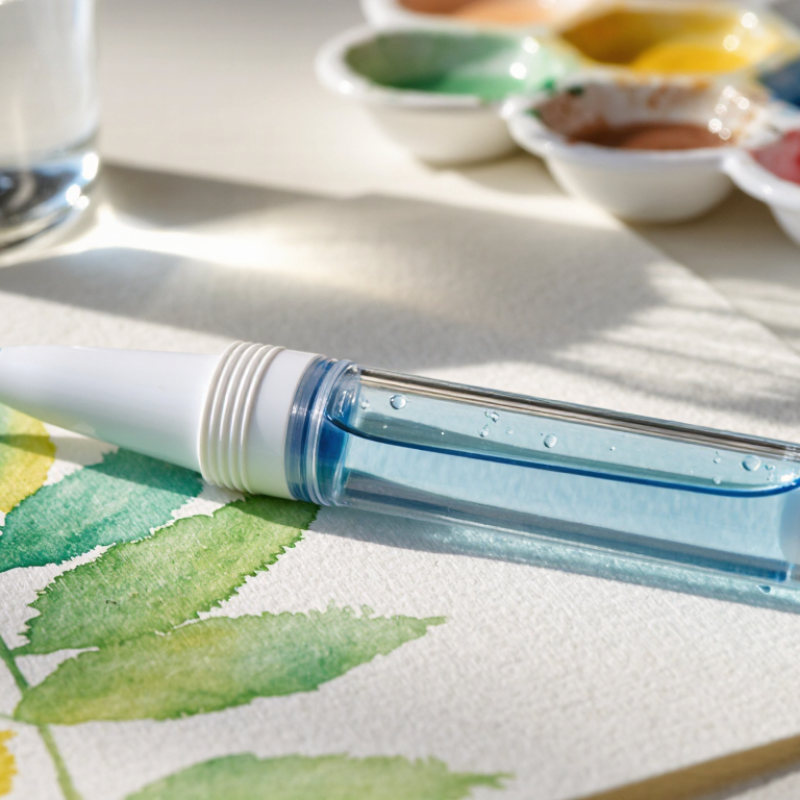
A refillable water brush pen combines a hollow reservoir with a brush-shaped tip. Fill the barrel with clean water, then gently squeeze it to control moisture. The water travels through the brush fibers and activates watercolor pans without a separate cup. It feels practical during travel, sketching, and quick outdoor studies.
The tip is usually made from synthetic fibers. Different shapes create thin lines, soft washes, or controlled edges. In my experience, a lightly filled reservoir offers better control than a completely full one. Too much pressure can flood the paper. The flow may also become uneven after repeated use. That is not a design failure every time; clogged fibers, pigment residue, or worn seals can cause it. Rinse the tip after each session and leave the cap off briefly.
Refillability also has a material advantage. The OECD’s Global Plastics Outlook reports that only 9% of global plastic waste was recycled in 2019. A reusable barrel cannot solve that problem alone, but it can reduce dependence on disposable applicators. UNEP’s 2023 Turning off the Tap report warns that plastic waste could nearly triple by 2060 without major changes. Choosing a refillable tool supports a smaller, repeat-use routine. It still requires care. The pen is not automatically sustainable if it is discarded after one clogged tip.
| Dimension | Refillable Water Brush Pen | Practical Benefit | Typical Information |
|---|---|---|---|
| Definition | A drawing brush with a hollow reservoir that stores water and feeds it to the bristles through a controlled opening. | It combines a brush and a small water container in one portable tool. | Water-fed brush tool |
| Refilling method | The reservoir is opened, filled with clean water, and securely closed before use. | Users can refill it from a cup, bottle, or sink instead of replacing the entire brush. | Reusable reservoir |
| Common reservoir capacity | Many compact models hold approximately 5–15 mL of water, depending on the design. | The capacity is suitable for short sketching, lettering, travel, and classroom activities. | Approx. 5–15 mL |
| Water flow control | Gentle pressure on the flexible reservoir can increase water flow; releasing pressure reduces it. | Artists can create lighter washes, blended edges, and controlled color transitions. | Pressure-sensitive flow |
| Compatible media | Works primarily with water-soluble materials, including watercolor paints, water-soluble pencils, and some water-based markers. | It supports blending and activating color without carrying a separate water cup. | Water-based media |
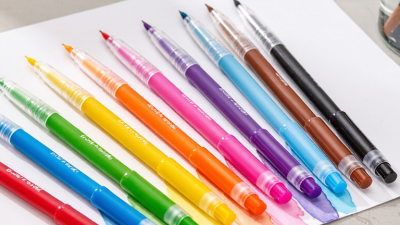
| Brush tip options | Brush tips may be fine, medium, or broad and can be made from synthetic fibers or molded nylon-like material. | Different tip sizes support detail work, lettering, washes, and larger painted areas. | Fine, medium, or broad |
| Portability | The brush and water supply are integrated into a pen-shaped format. | It reduces the number of separate tools needed for outdoor painting or travel sketching. | Compact, lightweight design |
| Maintenance | Flush the reservoir and brush tip with clean water after use, especially after applying pigmented or staining colors. | Regular cleaning helps reduce pigment buildup, staining, and uneven water flow. | Clean after each session |
| Waste reduction | The main body is designed for repeated filling rather than disposal after one use. | Repeated use can reduce the need for single-use water applicators. | Reusable tool |
| Best uses | Suitable for watercolor sketches, travel journals, color blending, hand lettering, and art practice. | It is convenient for controlled water application in situations where a separate brush and water container are inconvenient. | Sketching and blending |
| Important limitation | Flow can vary by tip condition, reservoir pressure, temperature, and the viscosity of the color medium. | It may require practice to achieve the same water control as a traditional brush and separate water container. | Practice improves control |
Why choose a refillable water brush pen? Its practical value becomes clearer when you understand its internal path. Water sits inside a hollow barrel, not a disposable cartridge. A threaded section seals the reservoir, while a narrow feed guides moisture toward the brush tip. When you gently squeeze the barrel, pressure moves water forward. Release it, and the flow slows. This control supports pale washes, crisp lines, and smooth blends.
The tip usually combines synthetic fibers with tiny capillary spaces. Water travels between those fibers before reaching the paper. Heavier pressure creates a wetter mark; lighter pressure leaves a dry, textured edge. The system is not perfectly predictable. Paper absorbency, temperature, and leftover pigment affect the flow. I sometimes over-wet a shadow before noticing it. That mistake still teaches me something. The OECD’s Global Plastics Outlook reports 353 million tonnes of plastic waste in 2019, with only 9% recycled. Refillable tools cannot solve that problem, but they may reduce repeated cartridge disposal during regular practice.
Tips: Fill slowly and leave a little air space. Test the first stroke on scrap paper. Rinse the tip after dark pigments. Store it with the cap secured. If flow becomes weak, tap the barrel gently. Squeezing harder may flood the page. Horizontal storage helps, though it is not a universal rule.
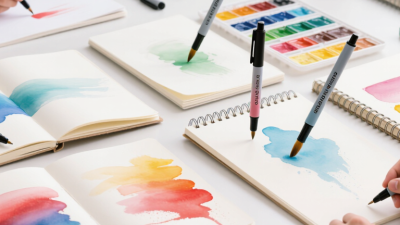
A refillable water brush pen can make painting sessions lighter and more controlled. I often carry one with a small watercolor palette and two sheets of textured paper. There is no separate water jar to spill across a desk. The built-in reservoir also supports quick sketches during travel, classes, or outdoor studies. That convenience matters when your workspace is narrow.
Water flow is the main artistic benefit. A gentle squeeze creates a damp stroke for soft washes. Less pressure produces a finer, drier line. This control helps blend skies, soften edges, and activate small areas of dried paint. The brush can also move pigment across a page without interrupting your rhythm. Fewer tools, more movement.
It is not magic. I still flood paper when I squeeze too hard, especially during fast studies. Thin paper may buckle or become rough after repeated wetting. Cleaning the reservoir and brush tip also takes discipline. Otherwise, old pigment can muddy a fresh color. In my experience, artists get better results by testing pressure on scrap paper first. Refillable designs reduce disposable waste, but they do not replace careful maintenance. Small habits protect both color clarity and brush performance.
A refillable water brush pen turns a small water reservoir into a portable painting tool. I use it for quick color studies, travel sketches, and soft lettering. The flexible tip creates thin lines when held upright. A gentle press produces broader strokes. It works especially well with watercolor pans, water-soluble pencils, and graphite wash techniques. Paper quality matters. Smooth, heavyweight paper controls puddles better than thin notebook pages.
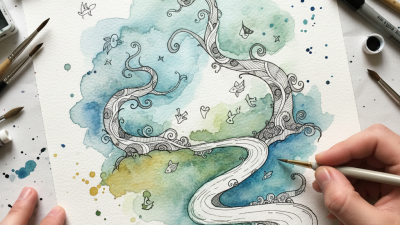
This brush pen also suits urban sketching. I can add pale shadows to buildings, soften pencil clouds, or blend a sunset without carrying a jar. It helps with hand lettering practice, especially when testing pressure and spacing. Some artists use it for controlled backgrounds, leaf textures, and gentle corrections. It is not perfect for every task. Heavy pigment may clog the tip, and careless squeezing can create unwanted floods.
Tips: Fill the reservoir slowly. Test the flow on scrap paper. Clean the tip after dark colors. Store it horizontally when possible. Use less pressure than expected. I often forget that detail. For more reliable results, separate bright and dark color sessions, and inspect the tip before starting a clean study.
Why Choose a Refillable Water Brush Pen?
How Should You Choose and Maintain One?
Choosing a refillable water brush pen starts with your drawing habits. A narrow tip suits lettering and fine lines. A broader tip works better for washes and quick backgrounds. Look for a firm, flexible brush head with consistent spring. The reservoir should twist securely and show its water level clearly. A textured grip also helps during long sketching sessions. In regular practice, I have found that a balanced barrel matters more than decorative details.
Maintenance affects both control and lifespan. Fill the reservoir with clean water, not heavily pigmented mixtures. After painting, squeeze gently and rinse the brush head under running water. Press it against a paper towel until the water runs clear. Avoid forcing the tip against a hard surface. That can permanently spread the bristles. I once stored mine uncapped overnight, and the brush became stiff. It recovered after soaking, but not perfectly.
Tips: Test the water flow on scrap paper before working. Store the pen capped and upright or horizontally. Do not leave colored water inside for long periods. If pigment dries near the tip, use a soft cloth and lukewarm water. Avoid solvents unless the care instructions specifically permit them. Inspect the seal regularly. A small leak can ruin a pencil case.
How should you choose and maintain one?
Reservoir capacity generally increases with brush-tip size. Fine tips suit detail work and require less water, while medium and large tips are better for broad washes. The values shown are representative midpoints of commonly available refillable water-brush capacity ranges. To maintain consistent flow, refill with clean water, avoid leaving pigment inside the reservoir, and flush the brush after each painting session.