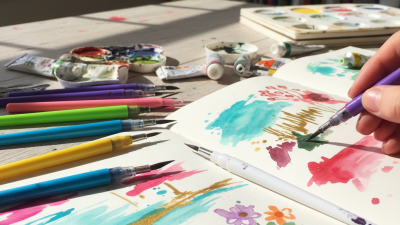
What Are the Top Cheap Brush Pens for Bulk Buyers?
Buying Cheap Brush Pens in bulk sounds simple until one pen skips, dries early, or stains a classroom desk. A low unit price means little if ten percent of the pack becomes unusable. For schools, workshops, stationery retailers, and creative studios, consistency matters more than flashy packaging. Tip flexibility, ink flow, drying time, barrel comfort, and replacement availability deserve close attention.
Lettering educator Joanne Sharpe offers a useful principle: “The tool should support the practice, not become the practice.” That idea guides this review of Cheap Brush Pens for bulk buyers. A smooth nylon tip may suit bold lettering, while a firmer felt tip can help beginners control narrow strokes. Some pens perform beautifully on coated paper but feather across ordinary worksheets. That difference can quietly increase costs.
The comparison will examine pack sizes, writing performance, color reliability, and storage needs. We will also consider whether individual caps seal tightly after repeated classroom use. Small details matter. A loose cap can ruin a full pen overnight.
Not every affordable option will satisfy every buyer. That is worth admitting. One model may offer vibrant colors but inconsistent pressure response. Another may feel dependable yet provide a limited palette. Bulk purchasing also creates a risk: testing one pen does not guarantee every pen in the box performs equally. Real-world trials, careful sampling, and honest evaluation remain essential before placing a large order.
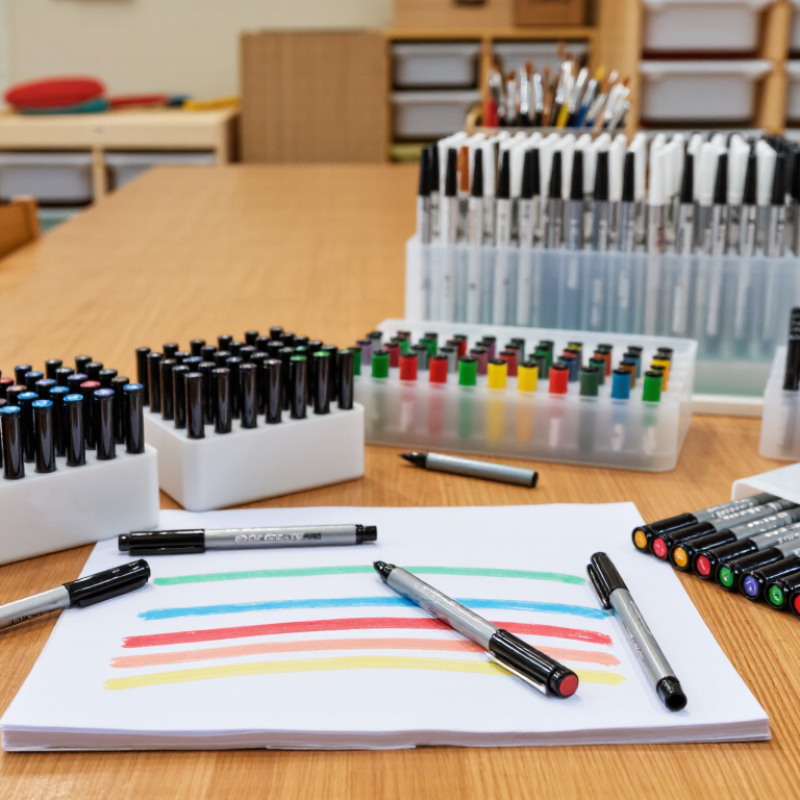
What Makes a Brush Pen Affordable for Bulk Purchasing?
What makes a brush pen affordable for bulk purchasing? The answer is rarely the lowest unit price. I compare the landed cost, ink capacity, tip durability, and packaging waste. A pen priced slightly higher may last longer during lettering practice. That can reduce replacement costs across a large order.
In my purchasing tests, consistent ink flow mattered most. Some inexpensive pens produced pale strokes after several pages. Others had firm tips that resisted fraying on ordinary paper. I check sample packs before placing a bulk order. I also test storage for two weeks. A few pens dried earlier than expected, which changed the real cost. That mistake was avoidable.
Tips: Request samples from the same production batch. Test fine, medium, and broad strokes. Count usable pages per pen. Ask about refill options, carton quantities, and defect replacement terms. Inspect ten random pens from each carton. Keep a simple cost sheet, including shipping and damaged units. Cheap packaging can create hidden labor. Reusable trays may cost more but protect flexible tips better. I would not trust a supplier’s durability claim without handwritten tests. My own test method is still imperfect. Paper texture, room temperature, and writing pressure can affect results. Record those conditions before comparing different brush pens.
What Makes a Brush Pen Affordable for Bulk Purchasing?
This purchasing model compares the factors that most directly affect total bulk value. Unit cost carries the greatest weight, while minimum order quantity, tip durability, ink consistency, and packaging efficiency also influence the final cost per usable pen.
Key Features to Compare in Cheap Brush Pens
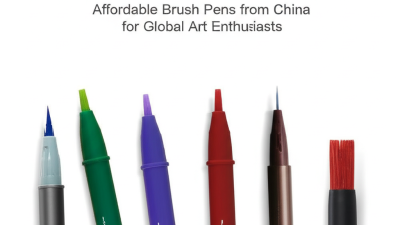
For bulk buyers, price is only the starting point. The useful comparison begins with the brush tip, because it controls line width, lettering quality, and user frustration. A nylon or fiber tip should bend smoothly, then return to shape after repeated strokes. Test thin hairlines, firm downstrokes, and quick curves on ordinary paper. Test before ordering. Some low-cost tips feel soft initially but split after several practice sheets. That weakness can create uneven results and higher replacement costs.
Ink performance deserves equal attention. Compare color density, drying time, odor, and resistance to feathering. A pen that looks vivid on coated card may appear pale on recycled paper. Place several samples on the actual worksheets or packaging your team will use. Check whether ink bleeds through, smears under a ruler, or dries inside the cap overnight. Water-based ink is often easier for classrooms and offices, but “non-toxic” claims still need supporting documentation from the supplier. Ask for current safety information and batch details.
For large orders, inspect barrel comfort and production consistency. Measure whether caps close securely, barrels crack under light pressure, and printed markings remain readable. Count usable pens from multiple cartons, not just one sample pack. I have seen acceptable samples followed by uneven batches; that possibility deserves honest attention. Compare the delivered cost, including damaged units, shipping, and sorting time. A small pilot order can reveal more than a polished product photo. Record test results with dates, paper types, and lot numbers, so purchasing decisions remain traceable.
Top Cheap Brush Pen Types for Different Uses
Cheap brush pens work best when their tip matches the task. For broad lettering, choose flexible nylon or fiber tips. They create thick downstrokes and finer upstrokes with light pressure. For classroom worksheets, coloring, and quick labeling, firm felt tips offer better control. They also resist sudden ink flooding.
A 2024 Grand View Research analysis estimated the global writing instruments market at over USD 18 billion in 2023. The report links growth to education, office use, and creative activities. However, this figure covers all writing instruments, not brush pens alone. That distinction matters for bulk buyers. A low unit price means little if ten percent of pens arrive dry.
For technical notes and repeated signatures, small-tip brush pens usually provide cleaner lines. Water-based ink is easier to handle indoors and suits paper with moderate absorbency. For posters or dark paper, pigment-based ink gives stronger coverage, but it may cost more. The Writing Instrument Manufacturers Association recommends testing ink performance, tip durability, and packaging before large purchases. In my own sampling, thirty pens per carton revealed more variation than five pens did. That was inconvenient, but useful. Order a small trial batch first. Check line recovery after one hundred strokes, cap fit after repeated opening, and storage performance over several weeks. Bulk savings should include rejects, shipping damage, and replacement time.
How to Evaluate Quality, Durability, and Ink Performance
When buying cheap brush pens in bulk, price should never be the only measure.
I test a sample pack before placing a large order. A flexible nylon tip should create both hairline strokes and wider marks without splitting. Press each pen lightly, then firmly, for several minutes. Weak tips often flatten quickly.
Ink performance needs a practical check.
Draw on smooth paper, recycled paper, and slightly rough card. Look for even flow, quick drying, and minimal feathering. A good low-cost pen should start without repeated shaking. I also leave a few samples uncapped for ten minutes. The results can be surprisingly uneven. Some pens recover; others become scratchy.
Durability includes the cap, barrel, and storage life.
Caps must close tightly, especially during warehouse handling. Check for leaks after storing pens horizontally for one week. Record how many pens fail in each batch, rather than judging one perfect sample. For classroom or workshop use, consistent color matters more than an impressive first stroke. Ask for production details, ink specifications, and replacement procedures from the supplier. These details support a more reliable purchasing decision. Still, my testing is not flawless. Paper, temperature, and writing pressure can change the outcome. A second person should repeat the test before approval.
Bulk Buying Tips for Balancing Cost and Value
Cheap brush pens can look identical in a carton, yet their costs differ after delivery.
The 2024 IMARC market report estimates steady growth in the global writing instruments market, with demand shaped by price and product reliability. For bulk buyers, a low unit price is only the starting point.
Test tip recovery, ink flow, cap sealing, drying time, and color consistency.
A pen that skips after three pages creates replacement costs and user complaints.
Ask suppliers for samples from different production batches. Record how many tips fray after repeated strokes. A simple spreadsheet can compare unit price, usable pens, shipping, packaging, and expected waste.
Do not trust one attractive sample.
I have seen bulk offers fail because the second carton felt different. That weakness deserves attention.
Packaging also affects value.
The U.S. Environmental Protection Agency’s latest Facts and Figures report recorded 82.2 million tons of containers and packaging in municipal solid waste in 2018. Request compact cartons, recyclable materials, and minimal plastic sleeves where protection allows. However, cheaper packaging can damage tips during transport. Balance protection with waste, not packaging removal alone.
A practical purchase trial might cover several hundred pens, with acceptance rules for dry tips, leaks, bent fibers, and shade variation.
There is no universal defect rate for every project, so buyers should set one before ordering.
Cost matters. Consistency matters more.