Top 10 Best Brush Pens for Wholesale Buyers
Wholesale buyers need more than attractive packaging when choosing the Best Brush Pens. They need dependable performance across thousands of units, varied writing styles, and different paper surfaces. A pen that performs beautifully on smooth lettering paper may feather on notebooks or lose control on textured card stock. Small details matter, including nib recovery, ink flow, barrel comfort, drying speed, and storage stability.
Calligrapher and lettering educator Molly Suber Thorpe offers a useful principle: “The best brush pen is the one that matches your hand, your paper, and your purpose.” That idea should guide every wholesale comparison. Buyers should test flexible and firm tips, water-based and pigment-based inks, and both beginner-friendly and professional models. Sample testing is essential. Sometimes the brightest ink is not the most reliable choice.
This guide evaluates the Top 10 Best Brush Pens for Wholesale Buyers through practical criteria. We consider writing consistency, tip durability, color quality, packaging, reorder potential, and customer appeal. We also examine whether each pen remains comfortable after repeated use. Not every popular model will suit every market. That is worth remembering.
A lower-priced pen may create higher return rates if its tip frays quickly. A premium pen may sell better when its performance supports classroom, stationery, or creative-business users. The final ranking is not perfect, and wholesale conditions can change. Still, these comparisons provide a grounded starting point for smarter purchasing decisions.
Brush Pen Types and Their Wholesale Applications
Top 10 Best Brush Pens for Wholesale Buyers
Brush Pen Types and Their Wholesale Applications
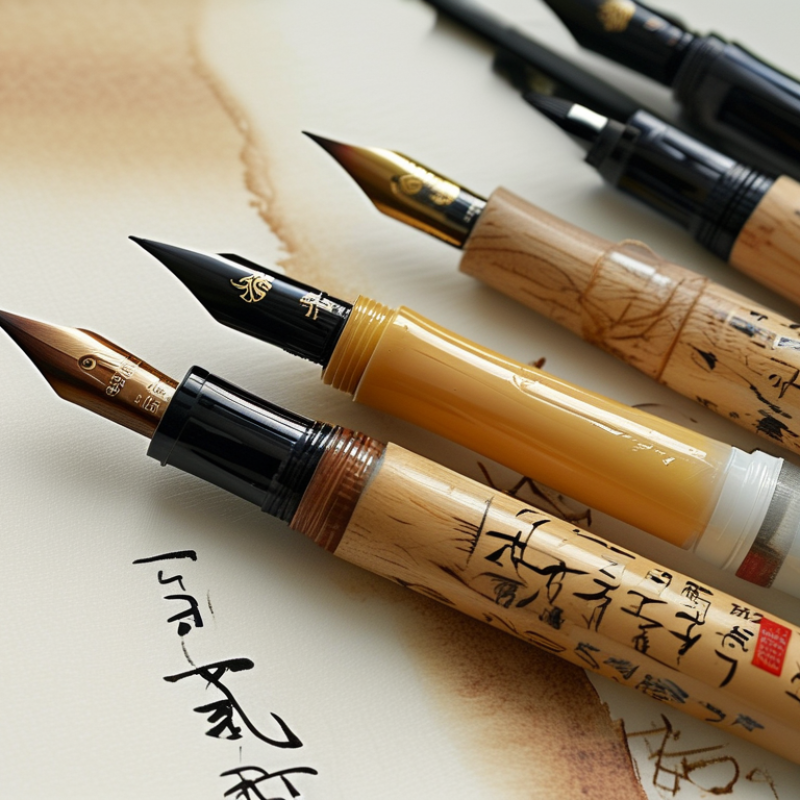
Wholesale buyers should classify brush pens by ink, tip, and intended user. Flexible water-based pens suit lettering classes, journals, and greeting-card kits. Firm water-based tips help beginners control small strokes. Pigment ink pens serve artists needing stronger fade resistance. Dye-based pens offer brighter blends, but colors can shift after drying. Dual-tip pens combine a brush point with a fine liner. This format works well in school packs and hobby assortments.
Refillable brush pens reduce waste for studios and frequent users. Broad brush tips cover large lettering and poster work. Fine brush tips handle details, labels, and compact planners. Metallic pens attract gift shops and seasonal craft displays. Pastel pens fit light illustrations and classroom projects. These ten types create useful wholesale applications across education, stationery, crafts, and basic design work. Do not assume every tip suits every customer.
Purchasing decisions need evidence, not attractive packaging alone. Test samples first. Request sample cartons and check line width, cap fit, drying time, odor, and leakage. Review color consistency across several units. A few pens may feel scratchy. That weakness matters. Check ink-safety documents, production dates, packaging strength, and replacement policies. Compare usable writing distance, not only unit price. A cheaper pen can create more returns when tips flatten early. Small flaws scale quickly. Feedback from teachers, artists, and shop staff can reveal problems that laboratory checks miss. A balanced assortment often sells better than ten similar colors.
Key Features to Assess Before Selecting Brush Pens
Top 10 Best Brush Pens for Wholesale Buyers
Key Features to Assess Before Selecting Brush Pens
Wholesale buyers should test brush pens beyond attractive packaging. Grand View Research estimated the global writing instruments market at approximately USD 17 billion in 2023. Mordor Intelligence projects steady growth through 2030. These figures suggest opportunity, but demand does not guarantee repeat orders. Tip: Test real samples. Check nib recovery after fifty strokes, not after one perfect line. Flexible fiber tips should create thin hairlines and broad fills without splitting. Ink flow must remain even during fast lettering. A dry patch can ruin an otherwise strong product.
Barrel design also affects returns. Look for a comfortable grip, secure cap, and visible ink level. Water-based ink may suit classrooms and planners, while pigment ink can offer stronger water resistance. Ask suppliers for drying-time results on coated and uncoated paper. The ASTM D-4236 labeling standard is relevant when products are marketed for art use, but buyers should confirm current documentation directly. I would also compare batch consistency. One sample is not enough. Circana’s stationery retail analyses repeatedly show that product performance and availability influence purchasing decisions, yet report categories rarely isolate brush pens. That limitation deserves attention. A low unit price may hide leakage, weak packaging, or costly replacements. Trial cartons reveal more than a polished catalog.
Top 10 Brush Pens for Wholesale Purchasing
Top 10 Best Brush Pens for Wholesale Buyers
For wholesale purchasing, the best brush pens must balance writing quality, cost, and dependable supply. Ten practical choices should cover flexible nylon tips, firm felt tips, dual-tip designs, refillable bodies, water-based ink, pigment ink, metallic ink, pastel sets, calligraphy sizes, and compact travel models. Each type serves a different customer group.
A buyer should test at least three samples from every production batch. Check line recovery after repeated strokes, ink flow on coated paper, drying time, and cap security. Consistency matters. A tip that frays after one class can create returns and damage retailer confidence. Packaging also deserves attention. Clear labeling, sealed barrels, color accuracy, and readable safety information support smoother warehouse handling. Ask suppliers about minimum order quantities, lead times, carton dimensions, and replacement policies before placing a large order.
My early evaluations focused too much on vibrant color. That was a mistake. Wholesale customers often value predictable performance more than dramatic packaging. Test pens in humid and dry conditions when possible, because ink behavior may change. Compare blackness, odor, smearing, and storage stability across several weeks. A lower unit price can become expensive when leakage increases complaints. Samples should be reviewed by artists, teachers, and everyday writers, not only purchasing staff. Their feedback may expose problems that specifications miss. Some pens will still show variation. Record it honestly.
Comparing Quality, Cost, Packaging, and Buyer Demand
Top 10 Best Brush Pens for Wholesale Buyers
Wholesale buyers should compare ten shortlisted brush pens through samples, not promises. Quality starts with consistent ink flow, firm tips, and clean color coverage. During testing, I draw thin lines, broad strokes, and quick lettering on ordinary paper. A resilient nylon tip usually survives repeated use better than a soft tip. It also helps reduce customer complaints. However, premium materials can raise costs quickly.
Cost should include shipping, protective inserts, and possible replacement rates. A low unit price may hide weak caps or dried ink. Packaging affects both warehouse handling and retail appeal. Individual sleeves protect tips, while compact cartons save shelf space. Clear labels should show colors, quantities, and basic usage information. Buyer demand often favors affordable sets with practical color ranges. Seasonal demand can change, too.
Tips: Request pre-production samples before placing large orders. Ask suppliers for batch testing records and packaging photos. Record line performance after several days, not just one session. Compare defects across multiple cartons. Do not judge demand from online popularity alone. Local teachers, hobby shops, and lettering users may prefer different sets. One weakness remains: forecasts are imperfect. This is normal. Careful testing still provides stronger purchasing evidence.
How to Choose the Best Brush Pen Supplier for Your Market
For wholesale buyers, the best brush pen supplier is not simply the one offering the lowest quotation. Grand View Research valued the global writing instruments market at approximately USD 14.6 billion in 2023, with continued growth expected through 2030. This expansion increases supplier choices, but also makes quality control more difficult. Request production samples before negotiating large quantities. Test ink flow on coated paper, recycled paper, and rough sketch paper. Check whether the flexible tip returns to shape after 300 repeated strokes. Small details matter.
Supplier reliability should be measured through evidence, not attractive catalog photos. Ask for batch inspection records, material specifications, and documented lead times. For children’s products, request relevant safety testing, including ink composition and heavy-metal screening. The ASTM D-4236 labeling standard and applicable regional chemical regulations can guide your review. A supplier should also explain packaging performance, carton compression, and moisture protection during sea transport. According to a 2024 Mordor Intelligence analysis, online and specialty channels are influencing writing-instrument distribution, so packaging must survive both warehouse handling and direct shipping.
Price deserves scrutiny. A cheaper pen may use a shorter fiber tip, weaker seals, or inconsistent pigment density. Not every low quote is a bargain. Compare total landed cost, including defects, replacements, freight, and inspection fees. I would also test three production batches, not one. My own judgment can be wrong after a single successful sample. Ask for realistic monthly capacity, backup material sources, and a written remedy for late delivery. A responsive supplier is valuable, but measurable performance is better.
Top 10 Best Brush Pens for Wholesale Buyers: Supplier Selection Priorities
This 10-point benchmark prioritizes the practical factors wholesale buyers commonly review when comparing brush pen suppliers. Product quality, reliable delivery, compliance documentation, and flexible order terms should be validated with samples and commercial documents before purchasing.