How to Use a Refillable Water Brush Pen for Creative Painting Techniques
The use of a Refillable Water Brush Pen is transforming the art of painting. According to recent industry reports, nearly 70% of artists prefer tools that blend convenience with creativity. This pen allows artists to easily apply watercolors and create stunning effects without the mess of traditional brushes.
One of the advantages of a Refillable Water Brush Pen is its versatility. Artists can control water flow for various techniques. A 2022 survey revealed that 65% of watercolorists find this tool essential for on-the-go painting. However, using it effectively requires practice. Artists often struggle with controlling water saturation and flow, leading to unexpected results.
Experimentation is key to mastering this tool. The fusion of pigment and water gives a unique texture to artwork. A report from the International Art Materials Association highlighted the growing popularity of such innovative tools. Artists are encouraged to embrace imperfections as they explore new techniques. This journey may not always yield the desired outcome, but it nurtures creativity and individual expression.
Choosing the Right Refillable Water Brush Pen for Your Projects
Choosing the right refillable water brush pen can significantly enhance your creative projects. Consider the type of tips available. Brush tips can create beautiful strokes, while fine tips allow for intricate details. Each tip serves a unique purpose. Experiment with different sizes to find what suits your style best.
When selecting your brush pen, pay attention to the reservoir size. A larger reservoir means fewer refills during your work. This can be crucial for lengthy painting sessions. However, larger pens may feel bulky, which can affect control. It’s important to strike a balance between capacity and comfort.
Tips: Test the pen's flow before committing to a project. This ensures you understand how much water is released. Consider using a rubber band around the handle for a better grip. Lastly, practice on scrap paper. This can help you identify the perfect pressure for achieving different effects. Embrace the learning process; mistakes can lead to unexpected creativity.
Filling and Maintaining Your Refillable Water Brush Pen
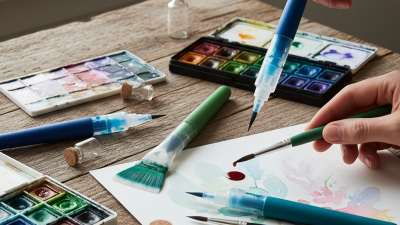
Filling your refillable water brush pen is a straightforward process, but it requires some attention. Start by unscrewing the barrel from the brush tip. This reveals the reservoir where you'll fill your water or diluted color. It’s essential to use clean water to prevent any contamination. Using a syringe can help you fill the chamber without creating a mess. Be cautious not to overfill; leave some space for air to ensure proper flow.
Maintaining your water brush pen is equally important. Regularly clean the brush tip to avoid clogging. A gentle rinse under warm water can remove residual pigments and keep the bristles flexible. If the brush tip is too stiff, soak it in warm water for a few minutes. Sometimes, it just takes a little patience to revive a dull brush. Remember, a well-maintained pen enhances your creativity and helps achieve smooth lines. Pay attention to how the brush feels during use; if it becomes difficult to control, it may be time for a thorough cleaning.
Basic Techniques for Using a Water Brush Pen in Painting
Water brush pens are a fantastic tool for artists. They blend water and paint seamlessly. Using them can elevate your painting skills while allowing for creativity. Here are some basic techniques to master your water brush pen.
Start with simple strokes. Use light pressure for fine lines. For broader strokes, apply more pressure. Adjusting the water flow is key. Too much water can ruin your work. Test the brush on paper first. This will help you find the right pressure and water balance.
Tips: Experiment with different types of paper. Each kind reacts differently with water. Use watercolor paper for best results. It's more absorbent and can handle water well. Don’t be afraid to make mistakes. Each error can lead to a new discovery in your technique.
Mix colors directly on the paper. This creates unique blends and textures. Try layering colors for depth. Let each layer dry before adding more. This can take practice to perfect, but it’s rewarding. The beauty of a water brush pen lies in its versatility. Embrace the trial and error. Enjoy the process!
Advanced Creative Techniques with a Water Brush Pen
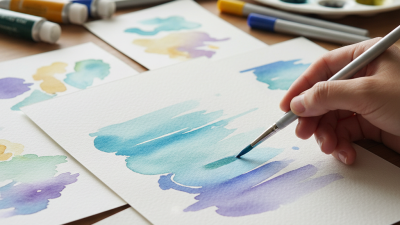
Using a refillable water brush pen can elevate your creative painting techniques. With practice, you can achieve beautiful, fluid washes and intricate details. Start by experimenting with various water-to-pigment ratios. A drier brush will give you sharper lines, while a wetter brush allows for soft gradients.
Consider the surface you paint on. Different papers absorb water at different rates. For example, watercolor paper retains moisture well, ideal for blending. However, sketch paper may not yield the same results, leading to uneven texture. Don’t hesitate to test on scraps before committing to your final piece.
Reflecting on your progress is crucial. It's common to feel frustrated with initial attempts. Embrace these moments as part of your journey. Your technique will improve with every brushstroke. Explore layering colors and watch how they interact on the page. Remember, even imperfections can lead to interesting effects.
How to Use a Refillable Water Brush Pen for Creative Painting Techniques - Advanced Creative Techniques with a Water Brush Pen
| Technique |
Description |
Skill Level |
Materials Required |
| Wet-on-Wet Technique |
Apply water to the paper before adding color to create soft blends. |
Intermediate |
Water brush pen, watercolor paper, watercolor paint. |
| Gradient Wash |
Create a smooth transition of color by blending different shades. |
Advanced |
Water brush pen, palette, watercolor paint. |
| Layering Technique |
Add multiple layers of color to achieve depth and richness. |
Advanced |
Water brush pen, watercolor paper, watercolor paint. |
| Dry Brush Technique |
Use minimal water for a textured effect by dragging paint across dry paper. |
Beginner |
Water brush pen, textured paper, watercolor paint. |
| Splatters and Sprays |
Create dynamic effects using the water brush for splashes and sprays. |
Intermediate |
Water brush pen, watercolor paint, spray bottle. |
Incorporating Other Mediums with Your Water Brush Pen Techniques
Using a refillable water brush pen opens up exciting opportunities in the world of creative painting. This versatile tool allows artists to seamlessly blend different mediums, enhancing their work with unique textures and effects. As reported by the International Art Materials Association, 45% of artists utilize mixed media in their projects. This trend reflects a growing interest in experimenting with various materials.
One effective technique involves combining watercolor with ink. Start by sketching with a waterproof pen. Then, use the water brush pen to add vibrant watercolor washes. The brush pen's ability to control water flow makes blending these two mediums effortless. However, challenging moments may arise. Sometimes, the ink may react unpredictably with watercolors, leading to unintended outcomes. This invites reflection on the balance between control and spontaneity in art.
Another option is to mix acrylics with watercolors. While the two seem incompatible, with practice, they can complement each other. The key is knowing how to layer them. Yes, it can be tricky to find the right consistency. A too-thick layer can crack, while a too-thin one may fade. Experimentation becomes essential. Artists must remain open to mistakes, embracing the learning curve that comes with mastering these creative techniques.
Creative Painting Techniques Using a Refillable Water Brush Pen