How to Choose the Best Dual Tip Markers?
Choosing the Best Dual Tip Markers requires more than comparing color counts or attractive packaging. A reliable choice depends on nib performance, ink flow, color consistency, and everyday comfort. Fine tips should create clean outlines without scratching paper. Broad tips should cover larger areas smoothly, without leaving distracting streaks. A marker that feels excellent on sketch paper may bleed through thin notebook pages. That difference matters.
This guide examines practical details that often receive too little attention. Ink-based markers may behave differently on cardstock, copier paper, and mixed-media surfaces. Look for clear information about tip sizes, ink type, drying time, and product testing. Manufacturer specifications are useful, but hands-on testing remains essential. Try several strokes, overlapping layers, and small lettering before judging a set. Check whether the caps close securely after repeated use. Dry tips can ruin an otherwise promising collection.
Color range also deserves careful thought. A large set is not automatically better. Too many similar shades may create clutter instead of creative freedom. Balanced palettes usually help beginners and experienced artists work faster. Odor, grip shape, and barrel weight can also influence long drawing sessions. These details seem minor. They are not.
No single set suits every artist. That assumption deserves testing. Personal technique, paper choice, and project size can change the result. By comparing real performance with verified product information, readers can identify Best Dual Tip Markers with greater confidence and fewer costly disappointments.
Understanding Dual Tip Marker Types and Their Core Features
How to Choose the Best Dual Tip Markers?
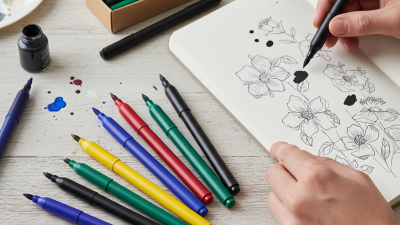
Dual tip markers combine two writing styles in one tool, but their designs vary considerably. A brush-and-fine tip suits lettering, sketching, and controlled outlines. A chisel-and-bullet tip works better for headings, filling areas, and everyday notes. Some markers use flexible nylon brush tips, while others have firmer fiber points. That difference affects pressure control and stroke consistency.
Core features matter more than appearance. Check whether the ink flows evenly after several minutes of use. A good marker should start cleanly, resist sudden flooding, and produce predictable color. Test it on your actual paper, because smooth cardstock, office paper, and textured sketch paper absorb ink differently. Look for clear tip labels, secure caps, and a barrel that feels balanced during longer sessions. Odor, drying time, and bleed-through also deserve attention.
From practical testing, brush tips offer expressive lines but require a lighter hand. Chisel tips feel efficient, although narrow lettering can become awkward. Water-based ink usually supports layering and produces less odor, while alcohol-based ink often dries faster and blends more smoothly. Neither option is perfect. Color may appear different after drying, and some tips wear unevenly with heavy pressure. I once chose a marker set by its color range and regretted ignoring cap fit. Reliable selection means checking construction, ink behavior, paper compatibility, and your own drawing habits together.
Comparing Ink Quality, Color Range, and Blending Performance
How to Choose the Best Dual Tip Markers?
Ink quality should be tested, not guessed. Look for smooth flow, even saturation, and quick drying. Water-based ink usually creates softer washes and produces less odor. Dye-based formulas often appear brighter, but they may fade faster under light. Grand View Research valued the global writing instruments market at approximately USD 14.7 billion in 2023, showing strong demand for dependable everyday tools. That growth does not guarantee better ink. A personal swatch test still matters.
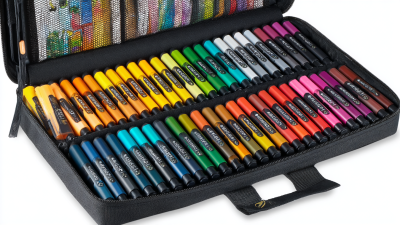
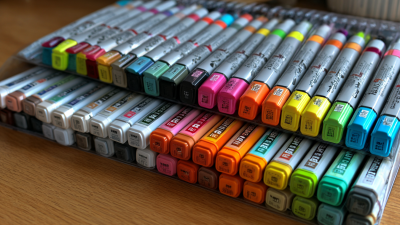
Color range needs practical variety. A set with 120 colors may include too many near-duplicates. Check for useful neutrals, skin tones, deep shadows, and clear primary colors. The Global Color and Design Trends report from Coloro and the World Global Style Network highlights continuing demand for expressive, nature-inspired palettes. Trends can guide selection, but they should not replace your own projects. I often find a smaller, balanced palette more useful than a crowded case.
Blending performance reveals marker quality quickly. Layer two close colors on the same paper, then test a darker shade over them. Good ink transitions without leaving harsh stripes. The Art Materials Research report by Freedonia identified performance and product reliability as key purchase factors in art materials. Paper changes everything, though. Some markers blend beautifully on coated stock and look patchy on ordinary paper. That limitation is easy to overlook. Check the nibs, too: a flexible brush tip should recover its shape, while the fine tip should stay precise after repeated use.
Evaluating Comfort, Durability, Safety, and Overall Value
How to Choose the Best Dual Tip Markers?
When evaluating dual tip markers, comfort should come before color variety. I test both ends during a thirty-minute lettering session. A rounded barrel should rest naturally between my fingers. Excessive pressure often signals poor balance or a slippery surface. Shorter writing sessions can hide this problem. Longer sessions reveal it.
Durability depends on the nibs, cap, and ink flow. I drag the fine tip across ordinary paper and use the broad tip for filled areas. The tips should return to their shape without splitting. Caps must close firmly, or the ink may dry overnight. That happened to me once. It was frustrating and avoidable. Check whether the manufacturer provides material details and storage guidance. Clear information supports a more reliable purchase.
Safety requires careful attention, especially for children, classrooms, and shared workspaces. Look for non-toxic labeling supported by recognized testing information, not vague promises. A mild odor is preferable, but smell alone cannot prove safety. Use markers with ventilation and follow the stated age guidance. Overall value comes from usable ink, consistent performance, and replaceable or long-lasting components. A cheap set becomes expensive when half the tips fail. I also compare color overlap, packaging waste, and the comfort of daily use. My judgment is not perfect; paper quality changes the result. Test a few strokes before trusting the entire set.
How to Choose the Best Dual Tip Markers?
Recommended evaluation weights for comfort, durability, safety, versatility, and overall value
Safety and long-term usability receive the greatest weight because non-toxic, compliant ink and reliable tips are essential for everyday use. Comfort and durability follow closely, while tip versatility and price help distinguish otherwise comparable marker sets. Use these weights as a practical checklist when comparing products without relying on brand names.
Choosing the Best Dual Tip Markers for Your Intended Use
Choosing dual tip markers starts with the surface and task, not the color chart. A flexible brush tip suits lettering, curved strokes, and shaded illustrations. A fine tip handles labels, outlines, calendars, and small corrections. For classroom notes, a firm bullet tip may be more reliable than a soft brush. Consider paper weight, drying time, and expected handling. Thin notebook paper can show bleed-through within seconds. Test it first.
When I evaluate markers, I draw parallel lines, small circles, and one dark filled square. These simple tests reveal control, saturation, feathering, and tip recovery. Check whether the cap closes tightly and whether both tips remain consistent after repeated use. A water-based formula usually feels safer for indoor, routine use, but ventilation still matters. For archival projects, verify lightfastness rather than trusting words such as “permanent.” Product specifications and independent testing deserve more weight than attractive packaging. That sounds obvious, yet it is easy to overlook.
Match the marker to your workflow. Artists may prefer a brush tip with gradual pressure response. Students may need quick-drying ink and clear color separation. Lettering users should test pale colors, since some lose contrast on cream paper. Store markers horizontally if the instructions recommend it, and replace caps immediately. I once left a cap loose during a long sketch; the tip dried unevenly. The marker recovered, but not perfectly. Budget also matters. The cheapest set can become expensive when several tips fail early. Choose the combination you can control comfortably for the work you actually do.